Dear Teltonika Team
My name is Vladislav, and I have been working as a GPS installation technician for over five years in a large international company. During this time, I have installed a significant number of your devices, including the ECAN02, in various types of vehicles across different countries.
I would like to kindly propose a few improvements to the ECAN02 cable design that could greatly simplify the installation process for technicians worldwide.
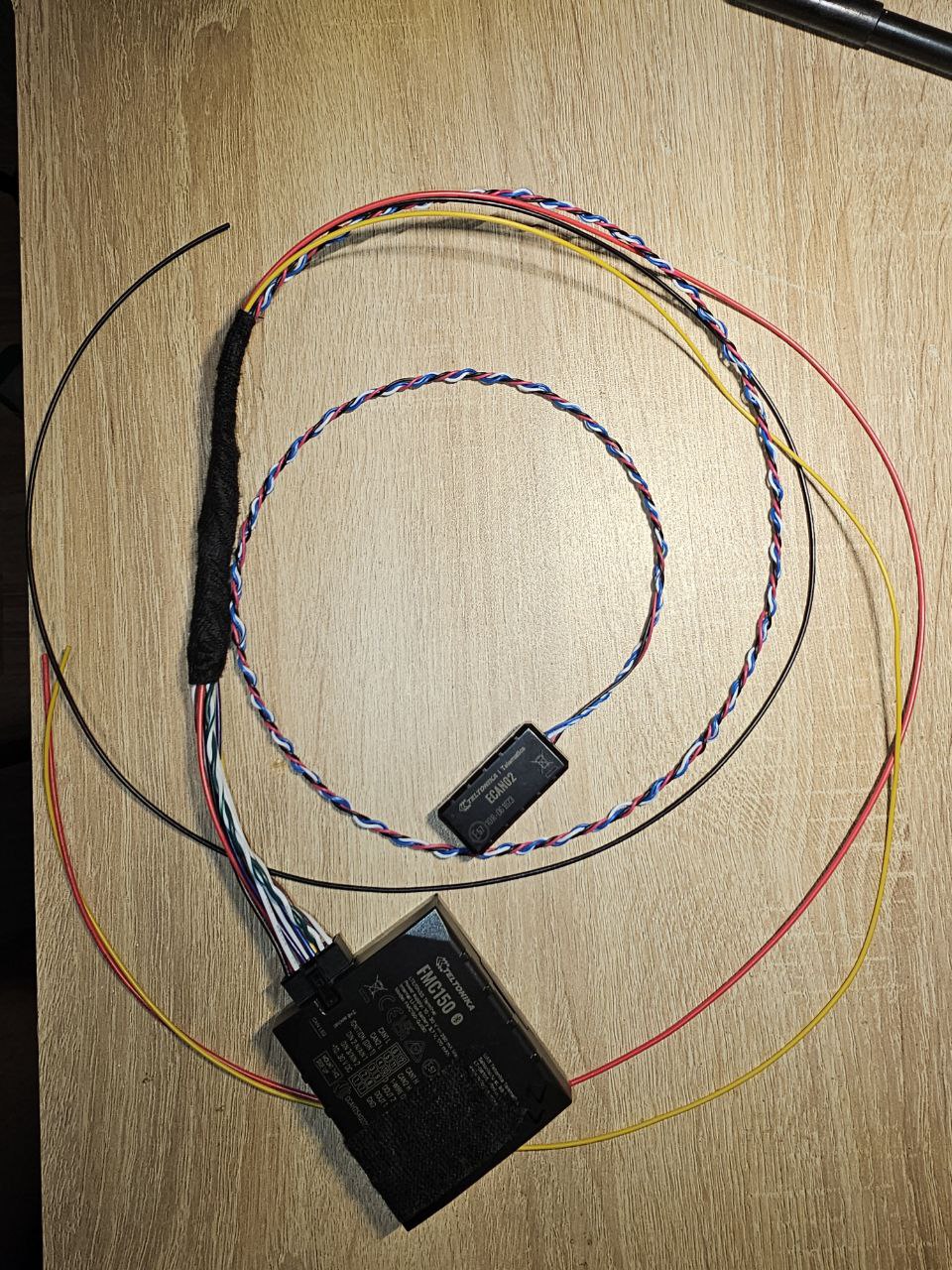
1. Unified cable sheath (similar to FMC920 power cable)
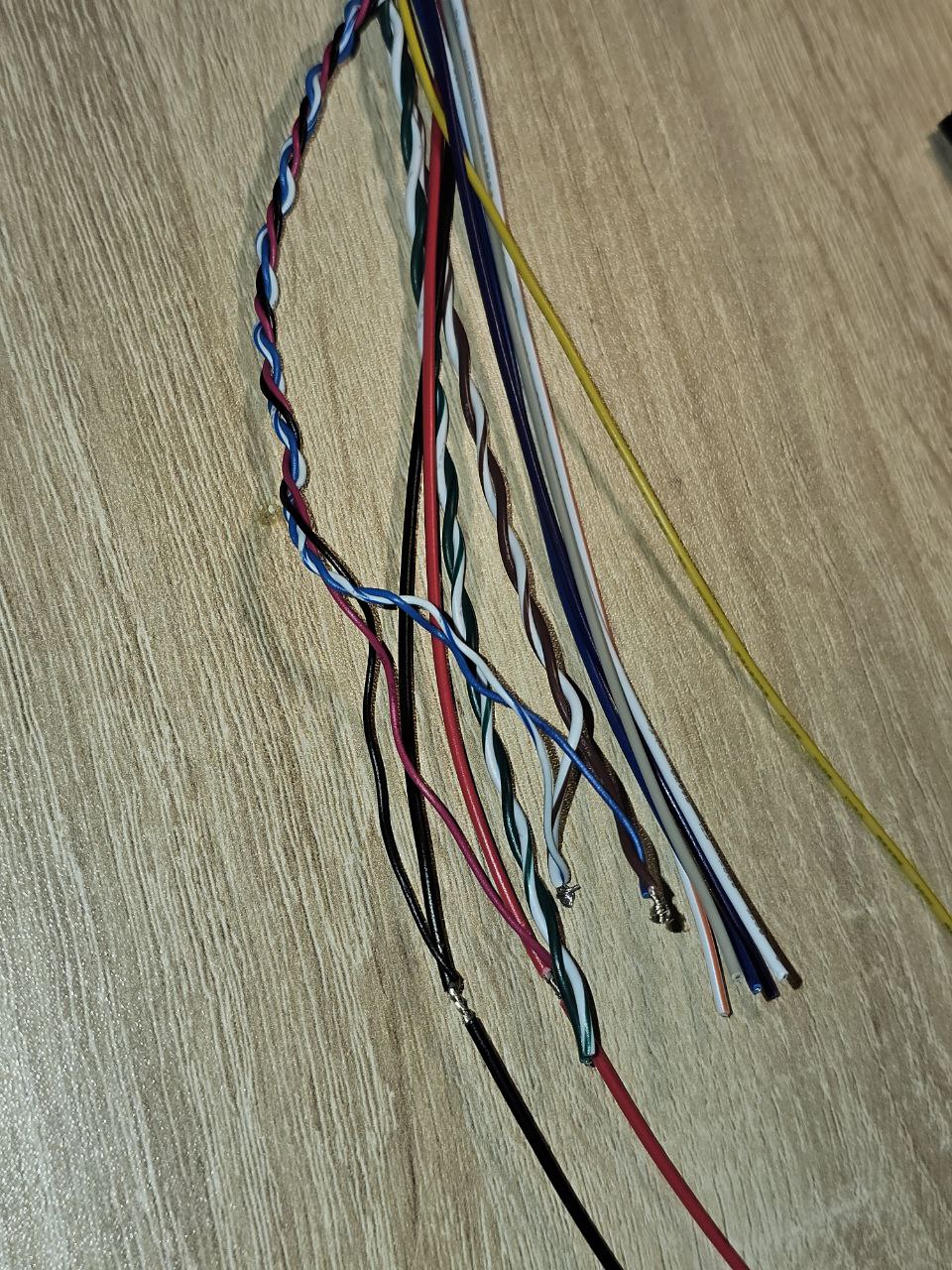
One improvement would be to manufacture the ECAN02 cable as a single, unified cable bundle — similar to the FMC920 tracker cable — instead of having separate loose wires. A single cohesive cable is easier to route, protects the conductors better, and looks more professional in the vehicle’s interior.
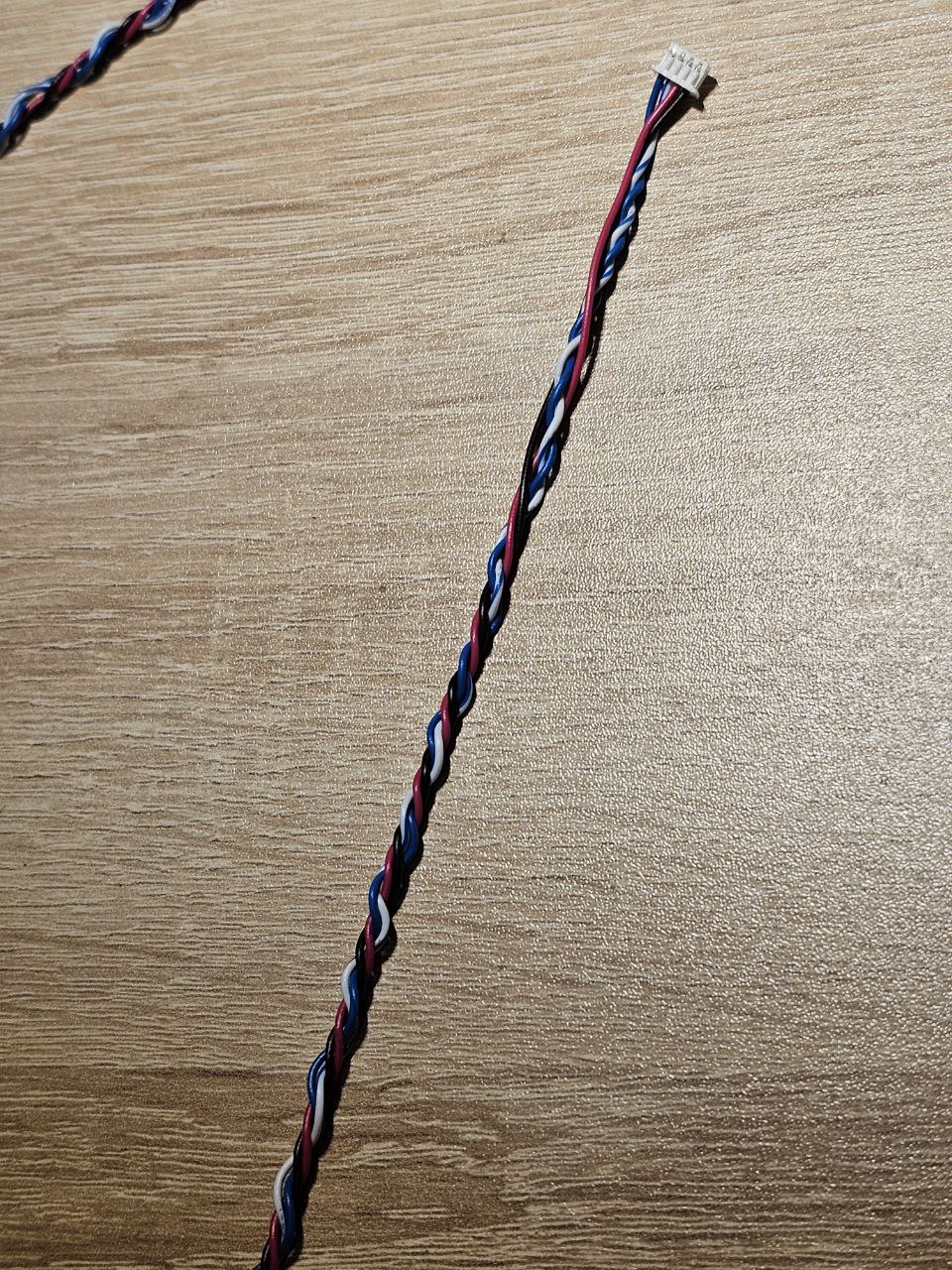
2. Twisting all four wires into a single compact bundle
Currently, only the CAN pair is twisted. My second suggestion is to twist all four wires together from the factory.
I have personally been doing this for many years using a drill to create a uniform, durable bundle. This method has proven to work perfectly in practice — it improves aesthetics, simplifies installation, and reduces the chance of wires getting caught or damaged during routing. Occasionally, I only add a small amount of electrical tape when there is a risk of contact with sharp metal edges.
Both of these improvements would make the ECAN02 cable more robust, installer-friendly, and visually clean, especially in vehicles with limited space behind the dashboard.
I sincerely hope you will consider these suggestions, as they could greatly assist installation technicians around the world.
Thank you for your attention and for continuously improving your products.
Kind regards,
Vladislav